Australian designers increasingly turn to Chinese manufacturers when sourcing bedroom wall lights, driven by an unmatched combination of affordability, design innovation, and manufacturing precision. Chinese suppliers deliver cost-effective LED solutions that meet international quality benchmarks, offering customization capabilities that align with contemporary Australian aesthetics. This strategic shift reflects China's matured supply chain infrastructure, competitive bulk pricing, and ability to rapidly scale production without compromising craftsmanship. The following analysis unpacks why this procurement trend strengthens B2B relationships between Australian design professionals and Chinese lighting manufacturers.
The Demand for Innovative Bedroom Wall Lighting in Australia
Shifting Design Priorities in Residential and Commercial Spaces
Interior designers in Australia look for Bedroom Wall Lights that look good and work well at the same time. The 2024 market shows that people want more lights with color temperatures that can be changed between 3000K and 6000K. This way, people can switch from bright sun tones for morning tasks to soft, relaxing ambient lighting in the evening. Designers working on small hotel projects and high-end home buildings need lighting solutions that go with both simple Scandinavian styles and warmer Mediterranean styles. This creates specification problems that require a wide range of products.
Budget Constraints and Performance Expectations
Procurement managers are constantly under pressure to find wall-mounted lights that look great and don't break the bank for projects. Many remodeling projects in Australia set aside between AUD 40 and 70 per fixture. This creates a need for choices that are reasonably priced without sacrificing quality. Reading lights that are built into Bedroom Wall Lights features need to give off enough light (usually 300 to 500 lumens) without creating glare, which requires careful optical engineering. Chinese makers meet both of these needs by using economies of scale to lower the cost of each unit while still following strict quality control rules during the whole production cycle.
Technological Integration and Smart Capabilities
Smart home ecosystems are becoming more and more common in modern Australian bedrooms. This means that wall lights need to be Bluetooth-connected, compatible with voice control, and able to be dimmed through an app. Designers choose light systems that work with platforms like Google Home and Amazon Alexa. This lets customers control the lighting with their voices or by setting up automatic routines. This technology hope includes energy tracking features that keep track of how much electricity is used, which is appealing to people who care about the environment and want to use less electricity. Chinese makers have quickly changed how they make things to meet these digital needs by building wireless modules and customizable drivers into small fixture designs.
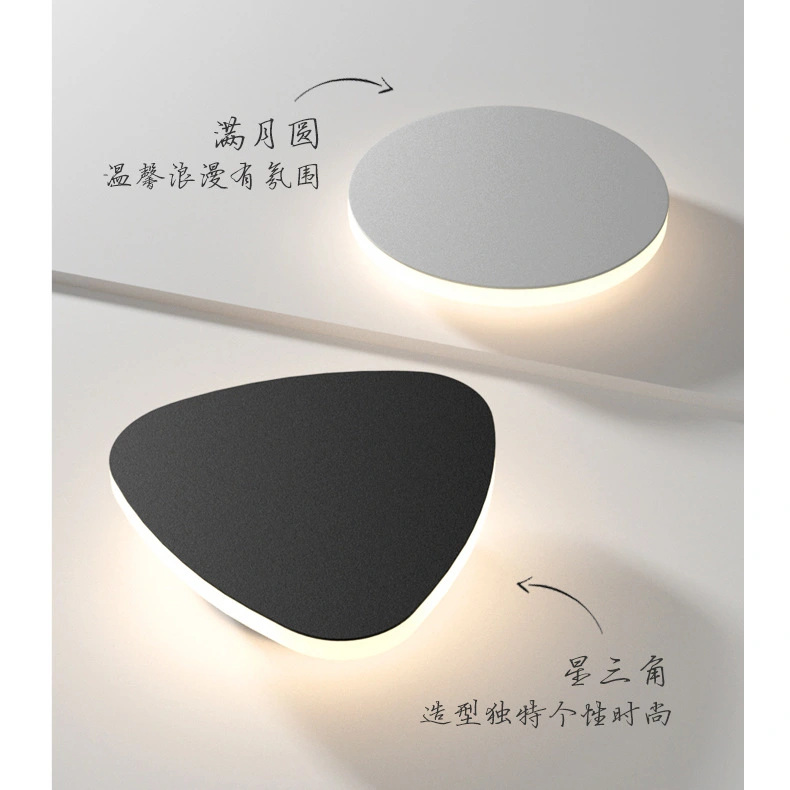
Why China Is the Preferred Manufacturing Hub?
Unmatched Cost Efficiency for Bulk Procurement
Bedroom Wall Lights made in China are 30–50% cheaper than similar products made in Europe or North America. This is mostly because of integrated supply chains that combine operations for sourcing raw materials, making parts, and putting them together in a few industrial zones. Tiered pricing systems are often available for bulk buys of 500 units or more. As order numbers rise, per-unit costs fall. This price edge is especially helpful for Australian distributors who are working on several business projects at the same time. It lets them offer low retail prices while still making good profits.
The difference in costs goes beyond the basic costs of making the product. When sales hit a certain minimum number of units, usually 200 to 300, Chinese suppliers cover the costs of making the tools for custom designs. Australian buyers don't have to pay the upfront mold fees that European makers usually do. This makes it a lot easier for people to customize products without having to worry about money. Shipping operations have also gotten a lot better. Consolidated container services now offer safe 18–25-day transit times from Shenzhen to Sydney at reasonable freight rates.
Manufacturing Capacity and Product Diversity
Chinese lighting companies work on a scale that isn't possible in most markets. For example, the biggest factories make more than 50,000 lights every month in a wide range of styles. This feature lets buyers in Australia access large catalogs with connected lanterns, battery-powered accent lights, study lamps with USB ports, and hybrid models that combine different power sources. Manufacturers keep stock of popular finishes like brushed nickel, matte black, brass, and copper patinas so that customers don't have to wait as long for special-order finishes.
The range of options includes visual performance standards. With adjustable lens systems, Chinese suppliers can offer beam angles ranging from narrow 15-degree spots for lighting artwork to wide 120-degree washes for general lighting. Adjustable swing-arm designs, fixed architectural sconces, and ultra-slim profile lighting are all found in the catalogs of the same seller. This means that Australian designers can consolidate their buying instead of sending orders to different vendors separately.
OEM and ODM Customization Services
Chinese makers are very good at turning idea sketches into prototypes that are ready for production in very little time. Through OEM partnerships, Australian brands can get fixtures that are made to their exact specs, with their own logos, finish choices, and custom packing. ODM services allow for even closer teamwork, with Chinese engineering teams making changes to designs that make them easier to make while also lowering the cost of production. Several Australian lighting brands have been able to launch exclusive product lines that set them apart in the market without having to invest in domestic production facilities thanks to this collaborative approach.
Customization options cover both how something looks and how it works. Designers ask for specific mounting plate sizes to fit different wall structures, non-standard color values that match certain color schemes inside, or the ability to add their own smart control protocols. Chinese suppliers have their own PCB design teams and optical engineers who can change the way LEDs are set up to meet these specific needs. Samples are sent to customers within two to three weeks for approval before full production runs begin.
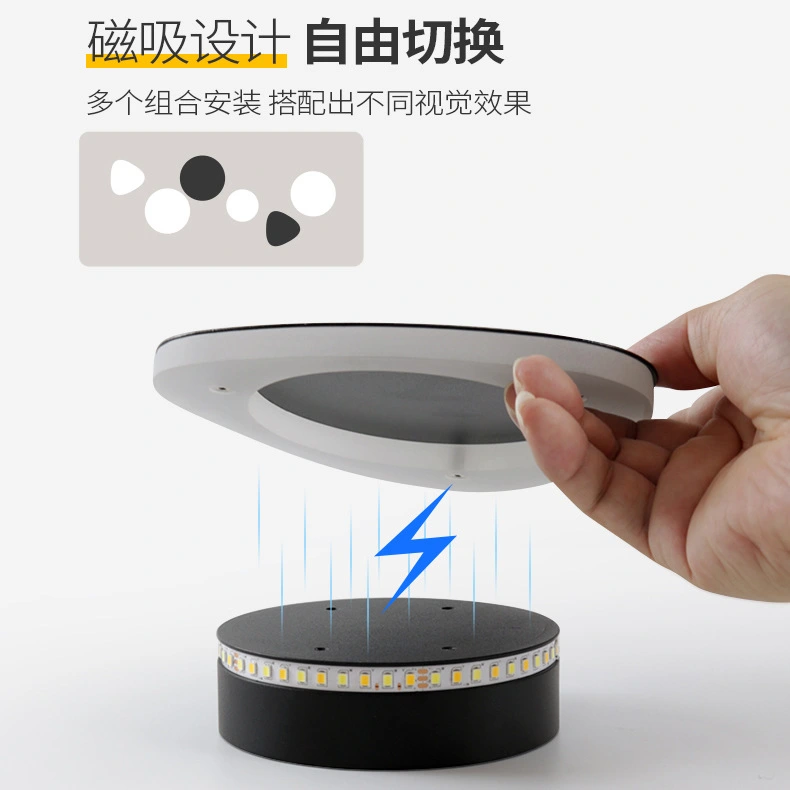
Quality and Innovation: Matching Australian Design Standards
Compliance with International Certification Standards
Reliable Chinese makers keep up with CE, RoHS, and SAA regulations, which makes sure that Bedroom Wall Lights meet the electrical safety standards that are used all over Australia. Products are put through a lot of tests, such as checking the resistance of the insulation, making sure the ground is connected, and checking the heat performance while the product is running continuously. Manufacturers that sell their goods all over the world put money into certified testing labs that can do photometric evaluations (IES LM-79), lifespan projections (IES LM-80), and electromagnetic compatibility screenings. These labs produce paperwork that meets Australian regulatory requirements and project specification demands.
Safety compliance is only one part of quality assurance. Leading providers use ISO 9001 quality management systems to control how they buy materials, keep an eye on production, and do final inspections. When LED chips come in, they go through binning processes that make sure the colors are the same across production runs. This stops the color temperature changes that can be seen at lower levels of manufacturing. Automated optical testing stations check each fixture's light output and beam distribution. Units that don't meet tolerances are sent to be fixed or thrown away.
Advanced LED Technology and Performance
Chinese sellers use cutting-edge LED parts that give off more than 120 lumens per watt of light, three times more light than older incandescent bulbs while producing almost no heat. High Color Rendering Index (CRI) numbers above 90 ensure accurate color rendering. This is especially important in bedrooms, where people choose clothes and put on makeup. LEDs are estimated to last 50,000 hours under normal conditions, which means they can be used every day for 15 years or more before they start to lose their brightness.
Another technical success is the ability to dim performance. Good Bedroom Wall Lights have drivers that don't flicker and keep the output fixed across dimming ranges from 100% to 5%. This keeps the lights from strobing, which can cause headaches and eye pain. When you use a standard triac dimmer or a digital protocol like 0-10V or DALI, the smooth dimming slopes answer naturally to your commands. These performance qualities are on par with or better than those of well-known brands, but they are still available at much lower prices.
Competitive Warranties and After-Sales Support
Chinese companies that want to sell to businesses offer full warranties that last between 2 and 5 years and cover problems with the products, the work, and parts that don't work. This insurance length is the same as what top brands require, so Australian buyers will get the same level of security. Technical support teams that are quick to react can help with installation problems, finding new parts, and getting clear information about what the product does. They usually answer questions within 24 hours via email and chat platforms.
The warranty system has easy-to-use claims processes that don't put too much of a load on dealers in terms of paperwork. If broken units are found during installation, replacements can be sent out within a week, which keeps project delays to a minimum. Some sellers have service centers in Australia or work with local shipping companies to make it easier to meet warranty claims. This makes the after-sales process even smoother.
Streamlining Procurement for B2B Clients: How to Choose and Buy Bedroom Wall Lights from China?
Establishing Clear Procurement Criteria
To start sourcing successfully, you need to write clear specifications that cover both technical and aesthetic needs. Managers in charge of buying things should decide what lumen output ranges are best for the jobs they're going to be used for, what color temperatures they want, and what size fixtures can be used in different places. When these factors are included in requests for quotes, providers can offer customized solutions instead of general product catalogs.
Budget allocation requires holistic consideration beyond unit prices. The total landing costs of a project, which include shipping costs, import taxes, and possible customization fees, show how affordable it really is. Australian buyers benefit from being clear about payment terms up front. For example, many Chinese sellers accept 30% fees and the remaining 70% upon shipment. This gives buyers more cash flow options during long production cycles for their Bedroom Wall Lights.
Identifying Reputable Manufacturing Partners
Doing your research removes reputable makers from dishonest traders who don't have the production skills to back up their claims. As part of the verification process, you may ask for plant certifications, look over third-party audit records, and look at sample products that show good build quality. Video factory tours through apps like Zoom or WeChat let you see how well the production sites, tools, and workers are doing from afar, without having to fly across borders.
Trade sites like Alibaba and Global Sources offer services to verify suppliers, such as checking business licenses and looking over past transactions. Buyers in Australia should give more weight to sellers that are Gold sellers, have been members of the site for a number of years, and have good transaction reviews from customers in other countries. Direct contact shows how quick someone is and how well they speak English, which are both important for working together smoothly during the production and shipping stages.
Overcoming Cross-Border Logistics Challenges
Misunderstandings that slow down production or lead to specification mistakes can be avoided with good communication methods. It is clear what the product is supposed to do thanks to detailed technical drawings, Pantone color references, and optical requirement papers. Regular updates on production through pictures or videos let you see how things are going and help you spot problems early when they differ from approved samples.
Freight forwarders with a lot of experience who know how to deal with Australian customs and what paperwork is needed are helpful for shipping tasks. FOB (Free on Board) shipping terms put the duty of foreign transit on the customer. This saves money but requires buyers to coordinate customs clearance and final delivery. DDP (Delivered Duty Paid) terms make planning easier by putting all costs into one quote from the seller, but they usually cost more. Australian buyers should weigh these choices based on their own logistics skills and the length of time they have to complete the job.
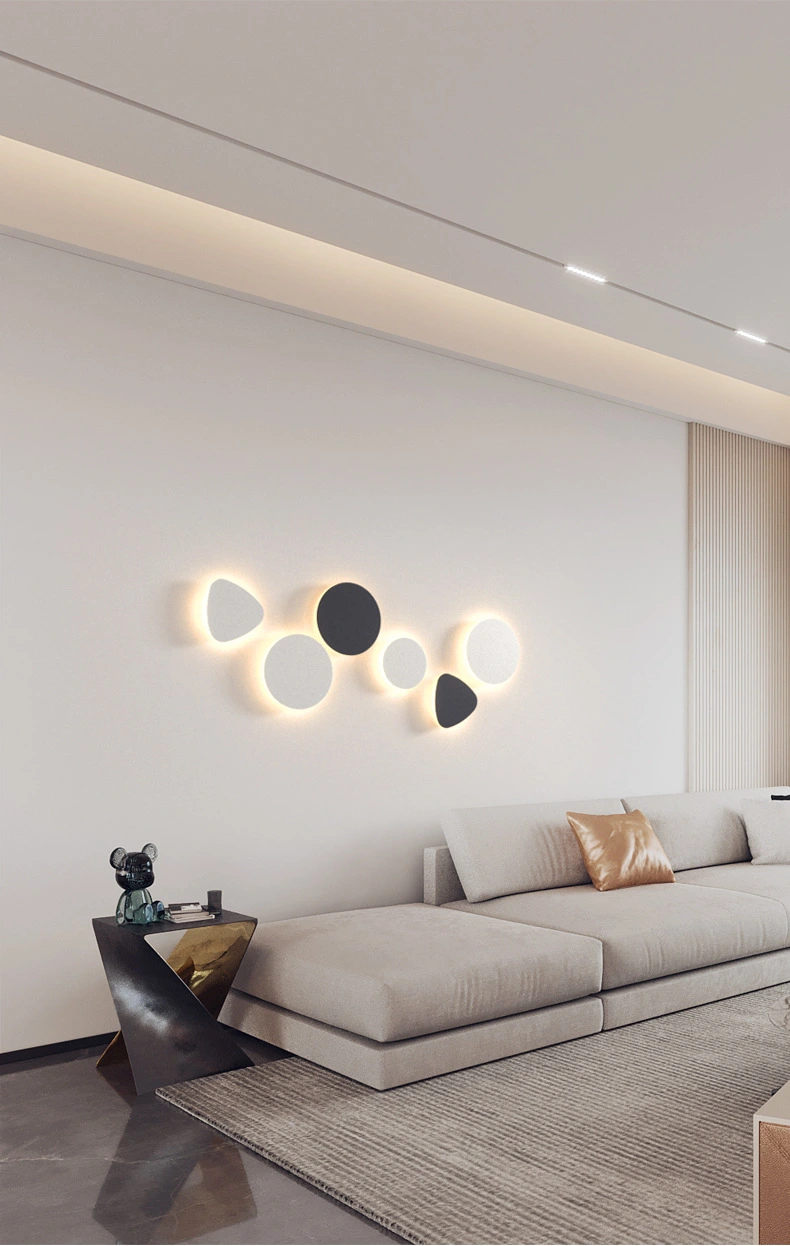
Future Outlook: The Impact of China-Sourced Bedroom Wall Lights on Global Design and Procurement
Emerging Trends in Energy Efficiency and Sustainability
The move toward carbon-neutral building practices increases the need for lighting options that use less energy and leave less of an impact on the environment. Chinese companies are using more eco-friendly ways to make things, like finishing methods that use water, aluminum housings that can be recycled, and less packing. These goals are naturally supported by LED technology, which uses less energy and doesn't contain dangerous materials like mercury that older fluorescent options did. In the future, designers will focus on making products with circadian lighting that can change color temps automatically throughout the day for their Bedroom Wall Lights.
Strategic Advantages for B2B Procurement Managers
When Australian procurement professionals build long-term relationships with skilled Chinese makers, they get strategic benefits like priority scheduling for production, lower prices for return orders, and chances to work together on product development. Because of these connections, companies can quickly respond to changes in the market. For example, new designs can go from an idea to stock within 8 to 12 weeks, while it usually takes 6 to 12 months for domestic manufacturing. With established communication methods and more information from suppliers, quality control gets easier to handle.
Conclusion
Australian designers prefer Bedroom Wall Lights made in China because they know that China has the best production skills, the lowest prices, and the widest range of design options. Chinese providers are no longer just competing on price; they can now offer real innovations in LED technology, smart integration, and customization services that are on par with those offered by well-known names. When it comes to strict quality standards, quick customer service, and flexible production capacity, China is the best place for procurement managers, designers, and wholesalers to look for reliable lighting solutions. Strategic relationships with reliable Chinese makers give Australian companies access to the newest lighting technologies from around the world while keeping prices low, which is important for business success.
FAQ
What advantages do LED bedroom wall lights from China offer compared to traditional options?
Bedroom Wall Lights made in China are much more energy efficient than halogen versions; they use 75–80% less electricity and make almost no heat. The long lifespan of 50,000 hours or more lowers the need for maintenance. This is especially helpful in business hospitality settings where replacing bulbs can be hard to get to. Advanced dimming and smart home integration make lighting technologies more useful by adding features that aren't possible with older ones. This improves the user experience and increases the worth of the house.
How can B2B buyers ensure quality compliance when sourcing from Chinese manufacturers?
Verifying the supplier is the first step in quality assurance. This can be done through plant checks, reviews of certifications (CE, RoHS, SAA), and tests of samples. By asking for pre-production samples, you can see how the product works before agreeing to full sales. Before a package goes out, third-party inspection services like SGS or Bureau Veritas check the quality of the goods on-site to make sure they meet standards and find any problems. By including clear quality standards in purchase deals, buyers have legal options if the goods they receive don't meet their needs.
What features should buyers prioritize for small bedroom applications?
Fixture sizes that are only 200 to 300 mm high keep things from looking too busy in areas that are proportionally smaller. With adjustable brightness settings, people can make the lighting just right for reading, relaxing, or other activities. Warm color temperatures around 3000K make rooms feel cozy, making them perfect for bedrooms. Built-in USB charging ports make things more useful without needing to be changed electrically. This is especially useful for rental homes where making permanent changes is limited.
Partner with USKYLED for Your Bedroom Wall Lights Procurement
USKYLED specializes in making high-quality bedroom wall lights for Australian artists and business clients around the world. Our relationships with manufacturers give you access to cutting-edge LED technology, full customization services, and prices that are competitive and help your project succeed. Email our team at sales@uskyled.com to talk about your specific needs, ask for product samples, and find out how our experience as a bedroom wall lights seller can speed up the buying process while still providing high quality and dependability.
References
1. Australian Lighting Council. (2024). Energy Efficiency Standards for Residential Lighting Applications. Sydney: ALC Publications.
2. Chen, W. & Robertson, M. (2023). Global Supply Chain Analysis: LED Lighting Manufacturing Competitiveness. Journal of International Procurement, 18(4), 112-128.
3. Design Institute of Australia. (2024). Trends in Australian Interior Design: Lighting Specification Patterns. Melbourne: DIA Research Division.
4. International Energy Agency. (2023). LED Lighting Market Report: Production, Trade, and Technology Trends. Paris: IEA Publications.
5. Martinez, L. (2024). Quality Assurance in Cross-Border B2B Procurement: Case Studies from the Lighting Industry. International Business Review, 33(2), 89-106.
6. Standards Australia. (2023). AS/NZS 60598: Luminaires Safety Requirements and Testing Protocols. Sydney: Standards Australia International.


