LED stair lighting is a great option for professional and industrial stairwells because it saves energy, makes the stairs safer, and lowers the cost of running the business. Solid-state technology is used in these lighting systems to provide stable lighting in a wide range of settings, from multi-story office buildings to factories. LED systems are great for building managers and buying teams that want to make reliable, long-term investments in lighting that meet international safety standards and lower total ownership costs. This is because they last longer and need less upkeep.
Understanding LED Stair Lighting and Its Benefits
With the development of LED stair lighting, modern systems have changed a great deal. Procurement managers can make better choices that meet the needs of the project when they know how these systems work and what benefits they offer.
How LED Systems Operate in Stairwell Environments?
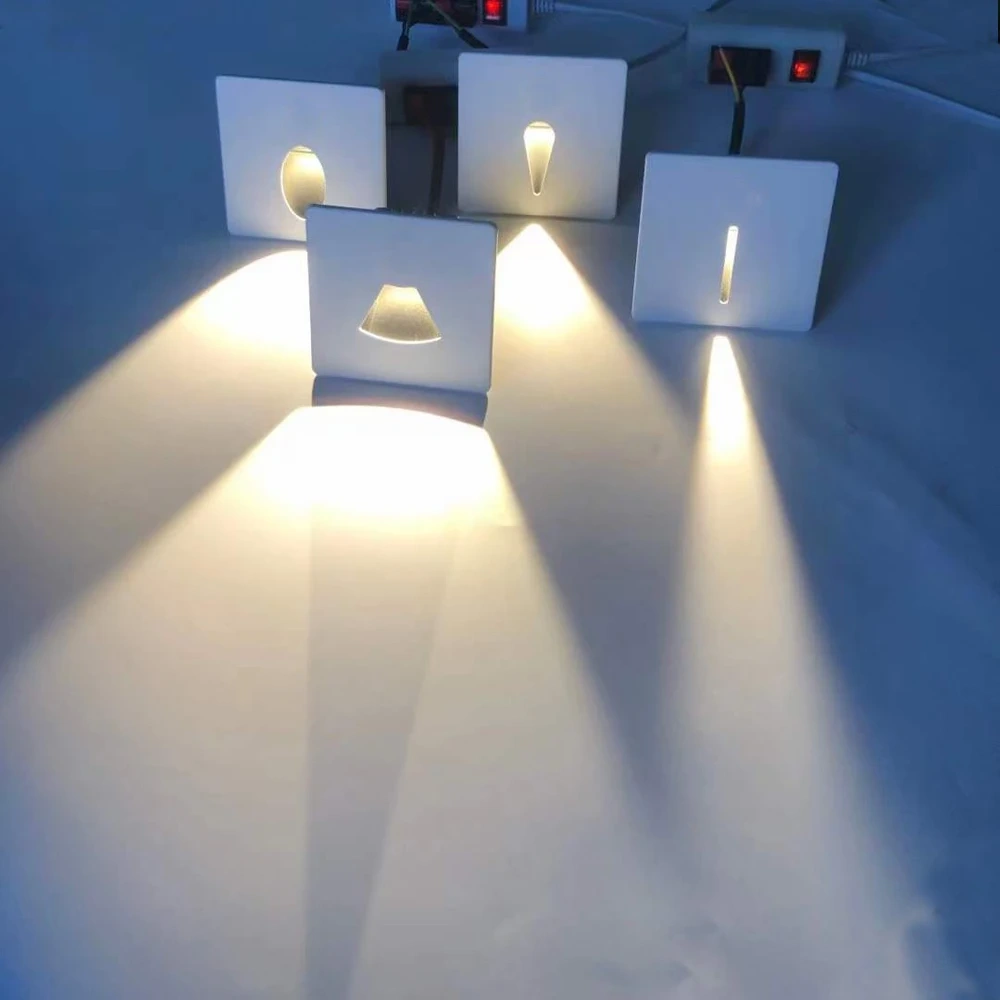
Semiconductor technology directly turns electrical energy into visual light, which is how LED stair lighting works. LEDs work well at lower temperatures than standard light bulbs, which waste a lot of energy as heat. There are different types of these systems, such as recessed step lights, linear strip lamps, and sensor-activated wall-mounted units. Each arrangement meets certain architectural needs while keeping performance the same in a variety of placement settings. Because LED parts are modular, the color temperature, beam angle, and light power can be changed to fit different stairs shapes.
Energy Efficiency and Cost Savings
When commercial buildings switch to LED stair lighting, they save money on running costs. Studies show that compared to bright options, they use 60–75% less energy. By switching to LED lights, a normal office building with six stairwells that are open 24 hours a day, seven days a week can save about $3,200 a year per stairwell. Over the average 50,000 hours of use, these saves add up, lowering both energy bills and repair costs by a large amount. The less heat that is released also means that climate-controlled buildings need less cooling, which has two benefits for energy use.
Safety Enhancement Through Better Visibility
Having enough LED stair lighting in the hallway has a direct effect on safety measures in the workplace. LEDs turn on instantly at full brightness without waiting for them to warm up. This means that when motion sensors are triggered, vision is immediately restored. High Color Rendering Index (CRI) values above 90 in high-end LED goods help people accurately perceive distance and find edges, which are important for keeping people from slipping and falling. Even distribution of light gets rid of shadowy areas where dangers could be missed. Occupational safety data shows that when facilities install full LED stair lighting, the number of accidents goes down by 30 to 40 percent.
Extended Lifespan and Maintenance Advantages
Because LED stair lighting lasts a long time, they change how upkeep is scheduled and how work is distributed. Fluorescent tubes need to be replaced every 10,000 to 15,000 hours, but good LED systems keep working for 50,000 to 70,000 hours. This means that it will work continuously for about five years before it needs to be replaced. Less frequent upkeep means lower labor costs, which is especially important in high-rise buildings where special tools are needed to get to the stairwells. Vibration and contact damage are less likely to happen with solid-state construction than with fragile filament or gas-discharge technologies.
Versatile Design Options for Various Applications
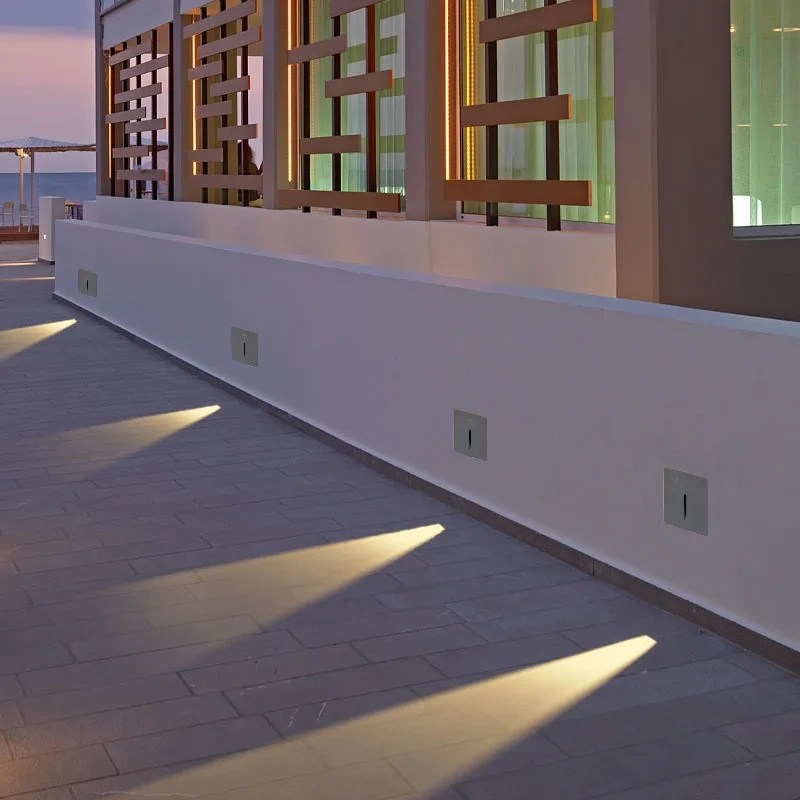
LED stair lighting can be used in a wide range of building styles and for a wide range of purposes. For a professional look, recessed lights with a bland white 4000K output might be used in indoor business settings. Industrial buildings often need 5000K systems that are brighter, cooler, and have strong IP65-rated housings that keep dust and water out. Weatherproof designs with sensors that turn on and off at dusk and dawn are good for exterior emergency stairwells. Because LED parts are small, they can be installed in creative ways, such as by incorporating them into handrails, mounting strips on nosings, or making artistic wall lights that fit in with the building's design and meet safety standards.
Comparing LED Stair Lighting with Traditional Alternatives
Looking at various lighting technologies helps explain why LED stair lighting is used in most modern stairs projects. Important differences can be seen in performance measures, installation factors, and lifetime costs.
Performance Metrics: LED Versus Fluorescent and Incandescent
A direct comparison shows that LED stair lighting is better in all key performance measures. Only 10% of the energy that incandescent lights use is turned into visible light. The rest is lost as heat. Even though fluorescent tubes make this about 25% more efficient, they are still not nearly as good as LED systems, which can convert light into electricity 40–50% of the time. Even bigger differences can be seen in how long lights last: regular lamps last about 1,000 hours, compact fluorescents last 10,000 hours, and LEDs last more than 50,000 hours. When you add up the costs of energy use, replacements, and labor, LEDs always come out on top in the total cost of ownership figure. Payback periods are usually between 18 and 36 months, based on how much you use them.
Wired Versus Battery-Powered LED Solutions
The best way to provide power for LED stair lighting depends on the installation situation. Hardwired LED systems are directly connected to the building's electricity system, so they can work without stopping or worrying about charging. These systems work well in fixed stairwells in hospitals, hotels, and office buildings where dependability is important. Battery-powered or rechargeable units are better for upgrade situations where laying new electrical lines would be too expensive or cause too much trouble. In older buildings, emergency stairwells often have battery-backup systems that turn on when the power goes out. Maintenance teams need to set up regular check times to make sure that batteries are working properly and that charging works in wireless setups.
Motion Sensor Integration Benefits
Automated control methods for LED stair lighting make things easier to use and save energy. Passive infrared sensors sense movement and only turn on the lights when someone enters the hallway. This cuts down on wasted power by 40–60% in low-traffic areas. Microwave sensors are better at finding things through walls and other objects, which is helpful in stairwells with lots of different shapes and sizes.
Customization is possible because the timing can be changed. For example, in a business setting, the lights might stay on for 90 to 120 seconds after the last movement was noticed, but in an industrial setting with cart traffic, the intervals could be pushed up to three minutes. Motion triggers and energy-efficient LEDs work together to make the best energy management system that doesn't compromise safety or user experience.
Installation Planning for LED Stairwell Systems
Systematic planning and execution are needed for proper application of LED stair lighting. Following set procedures makes sure that building codes are followed and that system performance is at its best.
Assessment and Design Considerations
A thorough site review is the first step to any successful LED stair lighting job. Take measurements of the stairwell's width, depth, height, landings, and roof gaps. Find out how much light is needed by looking at the relevant rules. In most places, you need to see at least 10 foot-candle readings at the tread nosings with a maximum-to-minimum regularity ratio of 5:1.
An assessment of the existing electrical equipment finds the best connection places and available circuit capacity. Think about things in the surroundings that might affect fixture choice, such as temperature changes, humidity levels, and possible exposure to cleaning chemicals. When choosing a color temperature, you have to think about both how it looks and what it needs to do. For example, warmer tones at 3000K work well in dining settings, while cooler outputs between 4000-5000K are better for industrial settings.
Implementation Process and Required Tools
For professional assembly of LED stair lighting, you need the right tools and a methodical approach. Get the tools you'll need, like voltage testers, wire strippers, a drill with masonry bits, cable fish tape, mounting hardware, and the right safety gear for you. Hardwired setups need to be done by people who know a lot about electricity, and local laws often require licensed workers.
Checking that the circuit is shut down, mounting fixture bases in set spots, running and protecting low-voltage wiring in protective conduit, making good electrical connections with wire nuts and junction boxes, mounting LED units in brackets, and then turning the power back on are all parts of the process. Battery-powered systems make these steps easier, but you need to make sure the mounting is stable and that you can get to the batteries for upkeep in the future.
Testing and Optimization Procedures
Verification after installation makes sure the LED stair lighting system works and meets requirements. Use an accurate light meter to find out how bright each run and landing is in more than one place. Write down numbers to show that you're following the rules and get average performance data.
To test motion sensors, walk through detection zones at different speeds and angles, and change the settings for sensitivity and timer as needed. Through a fake power loss, make sure that any built-in emergency lighting features work correctly. Check the way the light is distributed to see if there are any clouds or glare that could make it hard to see. Make any last-minute changes to the fixture angles or add extra units if readings show that the current area isn't enough.
Procurement Strategies for Commercial LED Stair Lighting
When making a B2B purchase choice for LED stair lighting, you need to look at more than just the price. Value is added by strategic buying through good product quality, dependable suppliers, and long-term support.
Certification and Compliance Requirements
LED stair lighting products must meet area safety and efficiency standards for international projects. In North America, standards usually need UL or ETL approval to show that the electricity is safe. Energy Star or DLC (DesignLights Consortium) certification means that the lights are more efficient, and it may be possible to get energy rebates that cover 20–30% of the cost of installation.
European markets require CE marking to show that a product follows EU rules. RoHS compliance makes sure that rules about dangerous substances are followed. For municipal projects, the Buy America Act often requires that goods be made in the United States. Before finalizing big orders, make sure that the certifications meet the needs of the target market. Failure to do so could lead to costly compliance issues or delays at customs.
Evaluating Manufacturers and Supply Partners
Choosing the right supplier has a big effect on the success of an LED stair lighting project. Manufacturers that have been around for a while and have a track record in business lighting offer peace of mind through full warranties that usually last between 5 and 7 years for good LED lights. Technical support is very important—responsive engineering teams help with things like lighting measurements, requests for customization, and fixing problems.
Check the production capacity to make sure that large orders are filled on time for the project. Reliable providers keep a deep inventory and communicate clearly about wait times. Before ordering a lot of a product, ask for samples so you can try it out for yourself. Think about the total value of the relationship, which includes things like payment terms, freight arrangements, and the desire to give project-specific paperwork like cut sheets and IES photometric files.
Wholesale Purchasing and Volume Considerations
When you buy LED stair lighting in bulk, you can get better prices and more customization options. When a project needs 200 or more fixtures, the maker will often offer direct price that skips the markups that distributors add, which can cut the cost per unit by 15 to 25 percent. For wholesalers who are making their own product lines, volume agreements may let them make changes like choosing specific color temperatures, housing finishes, or branded packaging.
Talk about good payment terms, like net-60 plans or progress billing that is in line with project goals. Set clear guidelines for how to package items for delivery to the job site. Bulk palletized orders save money on handling costs but need proper receiving facilities. You might want to combine orders from different projects to reach number levels that give you more negotiating power.
Contemporary Design Approaches and Efficiency Optimization
Modern LED stair lighting strikes a mix between style and functionality. New technologies and well-thought-out design choices make the most of both energy efficiency and visual effect.
Smart Control Integration
LED stair lighting is now a controlled endpoint for building management systems. Integration with systems like BACnet or KNX lets you watch and handle whole buildings from one place. By using connected devices to look at trends of occupancy, schedules can be changed to make the best use of energy. For example, light levels can be lowered during times of low traffic while still meeting safety standards. In stairwells with windows that face the outside, daylight harvesting turns down artificial lighting when natural light is enough.
Remote diagnostics let maintenance teams know about broken fixtures before people in the building complain, which lets them replace them before they cause problems and keeps the quality of the lighting uniform. It can be seen that these smart systems cut energy use by 20 to 35 percent more than regular LED setups.
Adjustable Color Temperature Applications
Tunable white LED technology for LED stair lighting lets you change the color temperature dynamically, which can be used for a number of different purposes. In hospitality settings, softer tones between 2700K and 3000K could be used in the evening to create a friendly atmosphere. In the morning, when traffic is heavy, the 4000K output could be used to make things more visible and make people feel safer. Healthcare centers use similar programs to help staff who work nights keep their circadian rhythms in check.
Retail and industrial places match the color temperatures of stairwells to the lighting in the areas next to them so that customers can see the same thing throughout their trips. The adaptability takes into account the different tastes of stakeholders without needing a lot of different types of fixtures. This makes inventory management easier while also increasing design options.
Maintenance Protocols for Sustained Performance
Even LED stair lighting systems that last a long time can benefit from regular maintenance. Set up habits to check fixtures every three months for dust or other debris that is blocking the light. Cleaning the fixtures with dry microfiber cloths will return full brightness. Motion monitors should be checked every six months to make sure they are working properly and that the timing is correct. If occupancy trends have changed, the settings should be reset.
Keep track of how long each object has been used and keep a collection of replacements so that you can replace them before they reach their rated lifespan limits instead of having to do it in an emergency. Temperature monitoring in sealed devices keeps LEDs from breaking down too quickly because they can't get rid of the heat they produce. These simple care steps make systems last longer than their rated lifespan and keep them running at their best throughout their service life.
Conclusion
There is no doubt that LED stair lighting is the best way to light up modern stairwells in business, industrial, and educational settings. The powerful mix of huge energy savings, increased safety through better visibility, longer repair intervals, and design flexibility meets the most important needs of building managers and procurement pros. Performance benefits over traditional lighting technologies offer a measurable return on investment through lower running costs and higher standards of safety for people inside. Value is maximized by strategic buying methods that focus on certified goods, dependable makers, and large purchases. Integrating smart settings and preventative maintenance into these systems guarantees that they will keep working well for a long time.
FAQ
What makes LED stair lighting safer than traditional options?
When you walk into a hallway, LED stair lighting systems give off full-brightness light right away, without having to wait for them to warm up. When the CRI number is above 90, you can accurately sense depth, which is important for safe travel. Because they give off less heat, devices are less likely to burn people who touch them. Motion sensors make sure that the lights turn on consistently when they're needed, and the solid-state construction keeps them from breaking from vibrations or impacts that are common in places with a lot of foot traffic.
How long do commercial LED stair lights typically last?
Commercial-grade LED stair lighting fixtures that are of good quality will keep working for 50,000 to 70,000 hours. In ongoing 24/7 uses, this means that the part will last for about 5 to 8 years before it needs to be replaced. Facilities with systems that are controlled by motion sensors can keep them open much later than this range because they run for longer. Good thermal control and high-quality driver parts have a big effect on the real service life.
Can LED stair lighting integrate with existing building management systems?
Modern LED stair lighting fixtures that use 0-10V dimming, DALI, or wireless standards work perfectly with systems for building control. This connection lets tracking, scheduling, and managing energy be done from one place. Some retrofit projects may need extra control interfaces, but most modern building management systems can handle LED lights as normal ends, so facilities can use the infrastructure they already have.
Partner with USKYLED for Your Stairwell Lighting Projects
USKYLED offers complete LED stair lighting options that are made to work in tough business environments. UL-certified step lights, motion-sensor integrated systems, and adjustable linear fixtures that meet a wide range of design needs are all in our product line. Our products meet strict North American standards with CRI 90+ performance and five-year guarantees. Our expert team can be reached at sales@uskyled.com to talk about the details of your project, get a photometric analysis, and get reasonable pricing.
References
1. Illuminating Engineering Society. "Recommended Practice for Lighting Exits and Stairways." ANSI/IES RP-29-20, 2020.
2. U.S. Department of Energy. "LED Lighting in Commercial Buildings: Energy Savings and Performance Benefits." Office of Energy Efficiency and Renewable Energy, 2021.
3. National Safety Council. "Impact of Improved Stairwell Lighting on Workplace Slip, Trip, and Fall Incidents." Occupational Safety Research Division, 2019.
4. International Building Code. "Emergency and Stairway Illumination Requirements." International Code Council, 2021 Edition.
5. DesignLights Consortium. "Technical Requirements for Commercial LED Lighting Products." Qualified Products List Standards, Version 5.1, 2022.
6. Philips Lighting Research. "Total Cost of Ownership Analysis: LED versus Conventional Lighting in Multi-Story Commercial Buildings." Signify Research Publications, 2020.


