The first thing that needs to be done to make stairs look modern is to add lights in a smart way. Adding Stair Lights makes things safer and more beautiful by giving simple designs a soft glow that makes them look their best. Modern stairs made of glass, steel, or wood feet that float on the stairs look great with recessed LED fixtures, linear strip lighting, or step lights that turn on when you move. This kind of lighting makes the view clearer while also adding depth and striking shadows. They turn useful traffic places into designs that stand out and are in line with modern tastes and green building practices.
Understanding the Modern Stair Aesthetic and the Role of Stair Lights
What Stair Lights are for and how modern stairs look. Modern stair design is based on using few materials, making sure the shapes are correct, and being careful to pick good materials. Glass balustrades, overhanging steps, and steel supports that can be seen make the space look more open. With neutral color choices and smooth surfaces, shape is more important than decoration. But it can be hard to give older buildings a modern look because the stairs are usually very big and the steps are often very fancy. Also, the materials used aren't good for a sleek makeover.
Defining Contemporary Stair Design Elements
These days, stairs don't have any extra decorations on them. Clean straight lines, open steps, and finishes that are all the same color are what most architects use today. Things that you use are very important. You look classy if you use concrete, blackened steel, natural wood, or framed glass panels. These choices keep the building's personality while making it look like it fits in with the surroundings. There are strict rules and limits on building that you have to follow in order to achieve this high-end look.
How Lighting Transforms Stair Functionality and Appearance?
Lights play two roles in the modern stair makeover. By putting lights on the steps, sides, and ledges, it meets important safety standards and keeps people from tripping in public and private places. Smart lighting makes things look better by drawing attention to building lines, setting a mood, and being a part of the design itself. A soft pool of light is cast by recessed wall lights, and under-tread LEDs make effects that make things float, which goes well with the simple style.
LED and Smart Lighting Technologies
LED lighting has changed the way stairs are lit because it is more environmentally friendly, lasts longer, and gives creators more freedom. These days, LED systems use 75% less power than incandescent ones and last more than 50,000 hours of steady, high-quality light. When you add smart lights, you get features like color temperature control, customizable dimming, and tracking of usage. These are all in line with green building grades like LEED and WELL. They work well with platforms for controlling buildings, so many Stair Lights zones in business buildings can be controlled from one place.
Selecting Appropriate Lighting Types
Different types of lighting are available, such as hidden lights, straight strips, and step-specific lighting. For standard retrofits, recessed wall lights are a good choice because they don't need a lot of structural changes and give off soft light. You can keep yourself safe with linear LED strips along handrails or under nosings. This makes them great for long business stairs. Putting Stair Lights in the stairs makes it easy to see the feet without any reflection. For use outside, housings that are waterproof to IP65 level or higher are required. Impact-resistant housings that meet OSHA guidelines are needed in the workplace.
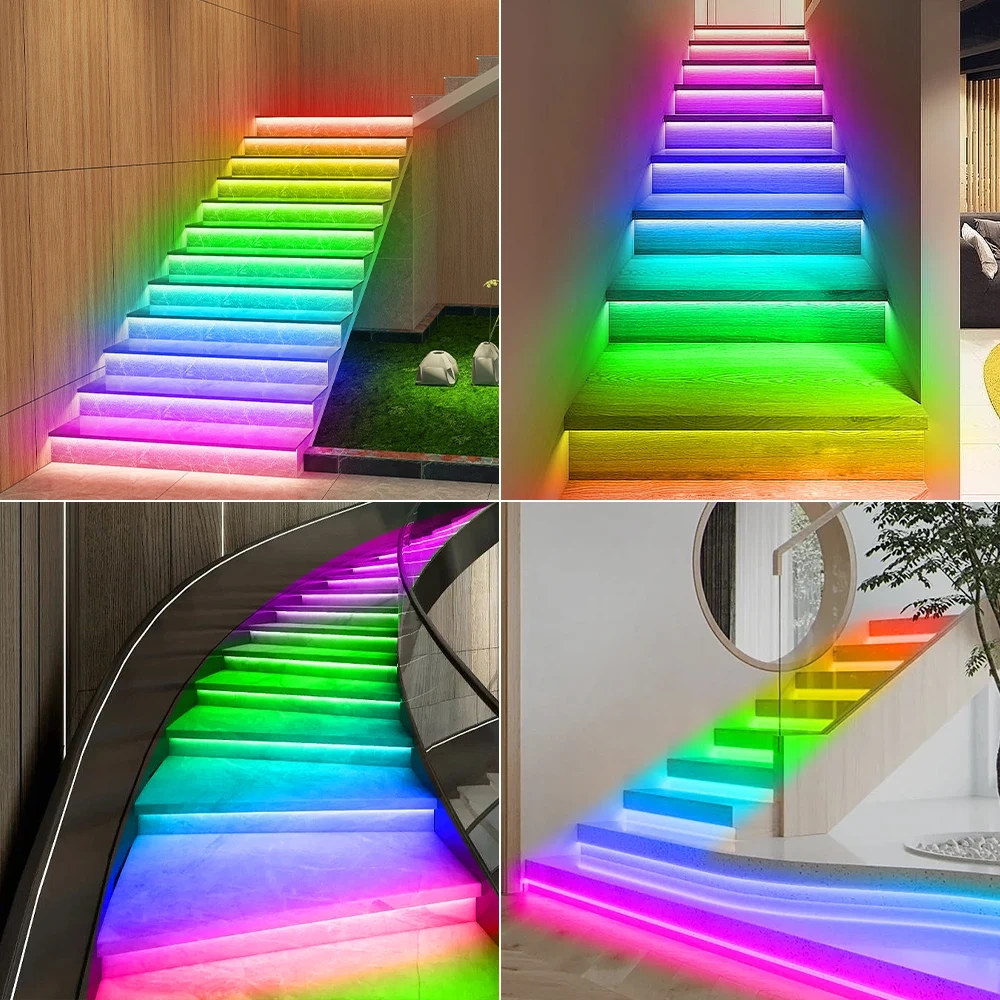
Step-by-Step Guide to Installing Stair Lights for a Modern Finish
The first step to putting Stair Lights that works is to make a detailed plan that balances nice-to-have goals with realistic limits. To pick out fixtures, set up power systems, and plan the order of setups, buying managers and engineering teams must work together. This will keep costs low and downtime to a minimum.
Planning Your Lighting Layout
Good layouts make sure that the light hits every step evenly, so there are no harsh shades or too much brightness. Lights should be 24 to 36 inches apart on an average set of stairs to make sure they cover enough. They might need to be closer together for business apps, though, because of the way the code is written. This will help you figure out the best way to run lines and put transformers by drawing out electrical paths early on. Think about how things in the building, like stairs, turns, and ceiling heights, affect where the lights go and how they shine.
Choosing Fixtures and Power Sources
You have to weigh how well a device works with how easy it is to install when picking one. Here are some important things for people in charge of buying things for businesses to keep in mind:
- Wired LED Systems: Fixtures that are built into a building's electrical system can run for a very long time and can be managed from one place. But only a plumber should install them because they last the longest and work the best. It can be put in places where it needs to work all the time, like hotels, office buildings, and government buildings.
- Battery-Operated Solutions: Because battery-powered lights don't have wires, they can be quickly replaced when they need to be. But they need to be changed with batteries all the time, which raises the cost of maintenance. For short-term projects, events, or places without power, it works best.
- Solar-Powered Options: Systems that are charged by the sun and don't need power from the grid can help with outdoor stairs in parks, on college campuses, and in parking lots. Because they need to be in the sun and have enough battery power to work all night, photovoltaic cells are location-dependent.
Installation Best Practices and Tools
People who work on the system will be safer if the installation is done correctly. Some important tools are voltage monitors, wire strippers, drill sets with brick bits, junction boxes, and the right pipe materials. Turn off the power at the circuit breaker whenever you work on an electric system, and make sure there is no power there before you begin. To keep the stairs from getting destroyed, you have to be very careful when cutting to install hidden lights. Template guides make sure that the sizes are always the same when they are installed more than once. Marine-grade seals should be used on outdoor taps to keep water out, which can cause them to break early.
Avoiding Common Installation Pitfalls
The dimmer switches often flicker when they don't work together or when the transformer doesn't have enough power. If you choose dimmers that work with LEDs and are set for the total power load, this won't happen. Outdoor setups that aren't waterproofed properly can be at risk for corrosion and electricity problems. To be sure of compliance and longevity, pick fixtures with IP ratings that have been tested and that are right for the environment. People can be hurt by bad wire handling, and it will also be harder to fix things in the future. It's easier to make changes and fixes when cords are run through special conduit with connection places that are easy to reach.
Maintenance Guidelines for Longevity
Systems last longer and work better when they are fixed on a regular basis. Every three months, the mounting should be checked to make sure it is steady, the lens surfaces should be cleaned, and outdoor covers should be checked for signs of water buildup. Most of the time, the LED drivers break before the LEDs. As soon as you notice changes in color or brightness that don't make sense, it's time to get a new driver. It is easier to fix problems faster if you keep detailed installation records that show the types of fixtures, where the transformers are located, and how the wires are laid out. Places where a lot of people walk may need to be cleaned once a month to get rid of the dust that blocks Stair Lights.
Comparing Stair Light Solutions: Choosing the Best Fit for Business Needs
Procurement managers can pick from a number of different lighting systems. Each one has its own pros and cons in terms of price, speed, and how it works. To make smart decisions, you need to know how these things change the job's value as a whole.
LED Versus Traditional Lighting Technologies
When everything is taken into account, LED lights work better than their incandescent and neon counterparts. Incandescent lights lose 85% of their power as heat, but LEDs only use 10% of their power to make light that we can see. This means that it costs a lot less to run. It takes sixty-watt halogen bulbs to light up a room with ten-watt LEDs. This means that businesses that keep their lights on all the time can save a lot of money. Differences in life span are also very big. If you use an LED system for 50,000 hours every day, you'll need to replace it every 11 years. Incandescent bulbs, on the other hand, need to be replaced often because they only last 1,000 hours. This makes them last longer, which lowers the cost of service and work delays in business buildings.
Smart Lighting Integration and Automation
By mixing sensors and settings that you can change, smart Stair Lights systems give you more control over how they work. Motion detectors only turn on lights when someone walks by. This saves up to 60% of energy in places where no one walks by very often. The lighting changes automatically depending on the time of day or the amount of light in the room. This makes it even more useful. Property managers can keep an eye on performance data, get repair reports, and change settings from different places when they connect to building management systems. These features use responsive and changeable lights to help meet long-term goals and make the user experience better.
Waterproof and Industrial-Grade Solutions
Fixtures for stairs outside and in factories need to be strong and able to handle rough conditions. Electrical parts are kept safe from water, dust, and damage in IP-rated covers. For instance, IP65 certification means that it will completely seal out dust and water jets, which makes it perfect for most outdoor uses. When chemicals or very high temperatures are present in an industrial setting, special housings made of materials that don't rust, like stronger plastic or stainless steel, are needed. When installing things for a business, it's important to follow all safety rules, like the NEC power codes and WHS standards. Buying recognized goods from reputable companies lowers your risk of being sued and makes sure that inspectors will accept them.
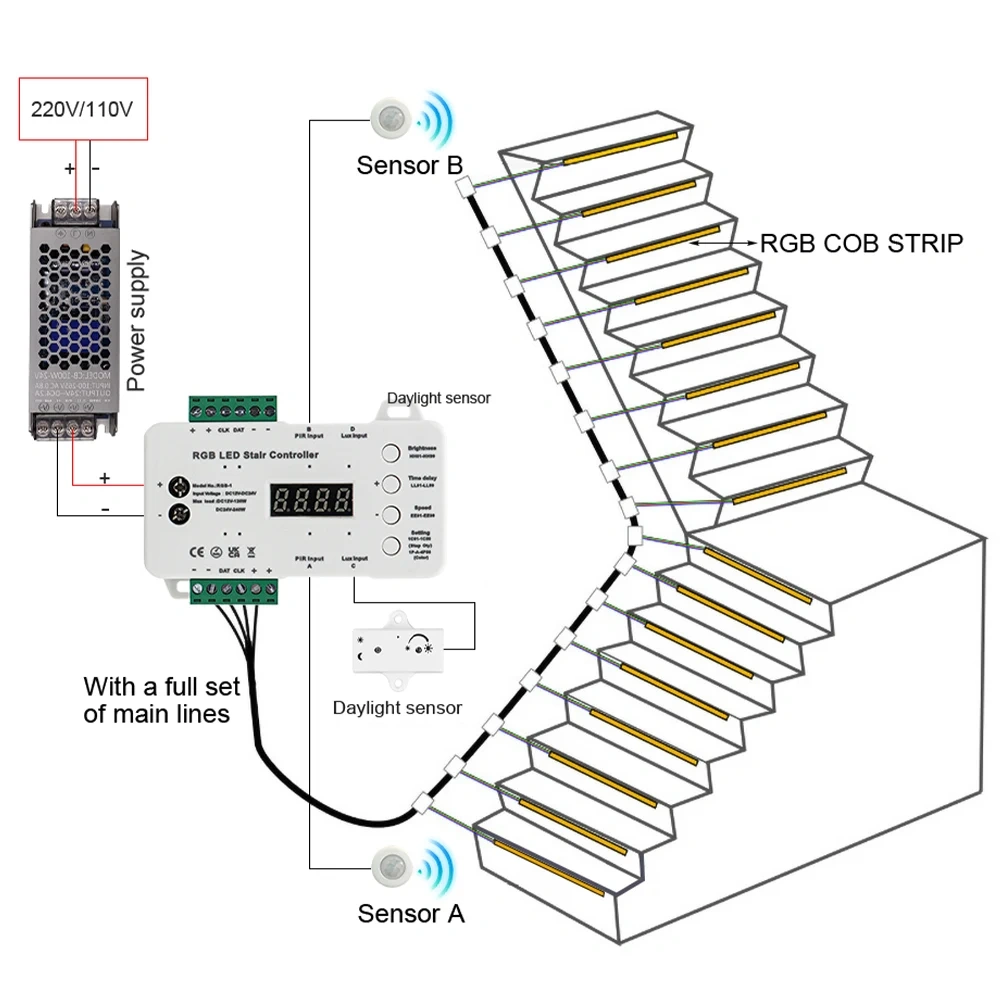
Procurement Strategies for Bulk and Custom Stair Lighting Solutions
When you carefully evaluate suppliers, make the best use of funds, and plan processes, you get the most out of strategic buying. Methods that keep quality high while cutting costs are good for B2B buyers who are in charge of big projects.
Evaluating Supplier Credentials and Certifications
Manufacturers of reliable lights show that they care about quality by getting certificates that are known by the industry. When an electrical safety meets UL standards, it means it meets North American standards. When it meets CE standards, it means it meets standards in the European Union. Certifications like Energy Star and DLC show how energy-efficient a product is, and they can often lead to utility refunds that cover the costs of buying the product in the first place. RoHS approval limits the use of dangerous chemicals, which is in line with environmental standards. As long as a seller has quality control methods in place, such as ISO 9001 certification, the way things are made will always be the same. It's clear what you want in terms of performance when you ask for product testing results and guarantee terms. This also holds the seller responsible.
Budget Planning and Volume Discounts
Different kinds of Stair Lights cost very different amounts of money. Each simple LED step light costs around $15, but each high-end set with smart features costs at least $60. It's cheaper to buy in bulk. A lot of sellers will give you a 15–30% discount if you buy 100 or more units. The bigger the discount, the more you buy. You can pick the exact sizes, color temperatures, and housing finishes that the project needs with custom OEM sets. Making tools fit your needs costs money, but you can get low prices per unit if you buy a lot of them. Extras like transformers, controls, building supplies, and disaster funds should be part of thorough budget models.
Logistics and After-Sales Considerations
Lead times change job plans in a big way. Normal things are sent out every two to four weeks, but it can take up to ten weeks for unique orders to be made and shipped. What could go wrong when you buy something from another country? Delivery times, getting through customs, and maybe even taxes. By setting clear due dates with fines, project goals are kept safe. The level of customer service after the sale changes a lot from one company to the next. When something goes wrong, downtime is kept to a minimum by having quick expert help and easy access to new parts. To find partner companies that can meet your long-term business needs, look at their service infrastructure, such as their promise delivery methods, regional warehouses, and expert hotlines.
Real-World Case Studies: Modern Stair Lighting in Commercial Projects
When you look at finished buildings, you can learn about design choices, problems with application, and results that can be used to guide future projects.
Corporate Office Transformation
A financial services company in Boston changed the entryway in their buildings and added big stairs that go up three stories. The design team wanted LED lines that ran along the bottom of each wheel to be put there. The stairs looked like they were flying, which matched the building's modern style. Move detectors turned on each zone one at a time as people went up. This used 55% less energy than running all the time. A Platinum LEED grade was given to the project because it used Energy Star-approved fixtures and settings that worked on their own. Polls taken after the move showed that 87% of workers thought the better Stair Lights made the place of work safer and nicer.
Hospitality Sector Implementation
In order to meet new fire safety rules and make the brand look more uniform, a small hotel company changed the stairs in all twelve of its buildings. Engineers picked inset fixtures with a color temperature of 3000K that can be lowered to keep the room feeling warm and friendly. Smart settings matched the Stair Lights to how the room was being used. On the other hand, the bright lighting that was used during busy checkout times was lowered to a level that was more comfortable at night. The fix cut the Stair Lights in the portfolio by 68% a year, which saved $43,000 a year on power costs. Guests liked the new look and thought it was a good way to make the brand stand out in crowded city markets.
Industrial Facility Safety Enhancement
To get in line with OSHA rules, a plant put in impact-resistant Stair Lights all over the work areas. Frames made of strong metal and plastic glass could handle being hit by trucks and the heat cycling from nearby processes. People who moved things up and down stairs could see better with high-CRI LEDs, so 34% fewer slip-and-fall accidents happened over the course of 18 months. The building manager said that repair work was not needed as much as with older neon lamps. This gave the techs more time to do more important work.
Conclusion
Putting up modern Stair Lights turns them from useful ways to get around to parts of the building that make it safer, more efficient, and more beautiful. Places can meet current performance standards and save money at the same time with LED technology, smart settings, and well-thought-out design. To make sure projects are finished smoothly, procurement managers and engineering teams should carefully look at Stair Lights options, the qualifications of suppliers, and the best ways to put them. Energy use, user happiness, and return on investment all get better across all business areas where they are used. When you work with Stair Lights companies that have been in business for a long time and know the technical requirements and approval standards for B2B, the process of updating goes faster and the solutions last longer.
FAQ
What stair lighting types work best for outdoor commercial applications?
Items on business stairs outside must have an IP65 rating or higher to be able to handle Stair Lights, water, and changes in temperature. Marine-grade plugs and housings that don't rust make LED Stair Lights safe when used outside. For solutions that are fueled by the sun, they don't need complicated wiring for being in the middle of nowhere, but they do need to be in the sun enough. Motion-activated systems use less electricity and still provide safety Stair Lights when it's needed.
Can stair lights integrate with existing building management systems?
Smart Stair Lights solutions today work with common protocols such as BACnet, Modbus, and DALI. They can easily use building control tools because of this. With this connection, you can keep an eye on, plan, and report on how much energy different stair zones use from one place. So that things work as well as possible, facilities managers can change settings from away, get repair reports, and look at how things are being used. If you check for compatibility before you buy, you can be sure that the new system will work well with the ones you already have.
How often should stair lighting maintenance occur in high-traffic areas?
In areas with a lot of foot traffic, visual checks once a month can help you find broken lenses, loose fixtures, or trash that has piled up. Detail maintenance should be done every three months. Every three months, the unit should be cleaned, the link should be checked, and the output should be measured to make sure it stays the same. Most LED systems need to have their drivers changed every 30,000 to 40,000 hours of use. Keeping track of what was found during checks and when parts need to be changed makes preventative maintenance easier. This keeps the system from breaking down at the worst possible time and makes it last longer.
Partner with USKYLED for Your Commercial Stair Lighting Needs
For unique industry and business needs, USKYLED makes LED solutions that are made just for them. The CRI of our Stair Lights is high, they don't flash, and they're made to last. They meet standards set by other countries, such as UL, CE, and RoHS. During the course of a project, sourcing teams can get access to OEM sets that can be changed, savings for buying in bulk, and help from experts. Contact us at sales@uskyled.com to talk about your needs for big Stair Lights and get prices that are tailored to how you want them to be installed and how well you want them to work.
References
1. Illuminating Engineering Society. "Recommended Practice for Stairway Lighting." IES RP-16-2017, New York, 2017.
2. Boyce, Peter R. "Human Factors in Lighting, Third Edition." CRC Press, Boca Raton, 2014.
3. U.S. Department of Energy. "LED Lighting for Commercial Buildings." Office of Energy Efficiency and Renewable Energy, Washington, 2021.
4. National Fire Protection Association. "NFPA 101: Life Safety Code." Section 7.8 Illumination of Means of Egress, Quincy, 2021.
5. DiLaura, David L., et al. "The Lighting Handbook: Reference and Application, Tenth Edition." Illuminating Engineering Society of North America, 2011.
6. European Committee for Standardization. "EN 12464-1: Light and Lighting - Lighting of Work Places - Part 1: Indoor Work Places." Brussels, 2011.


